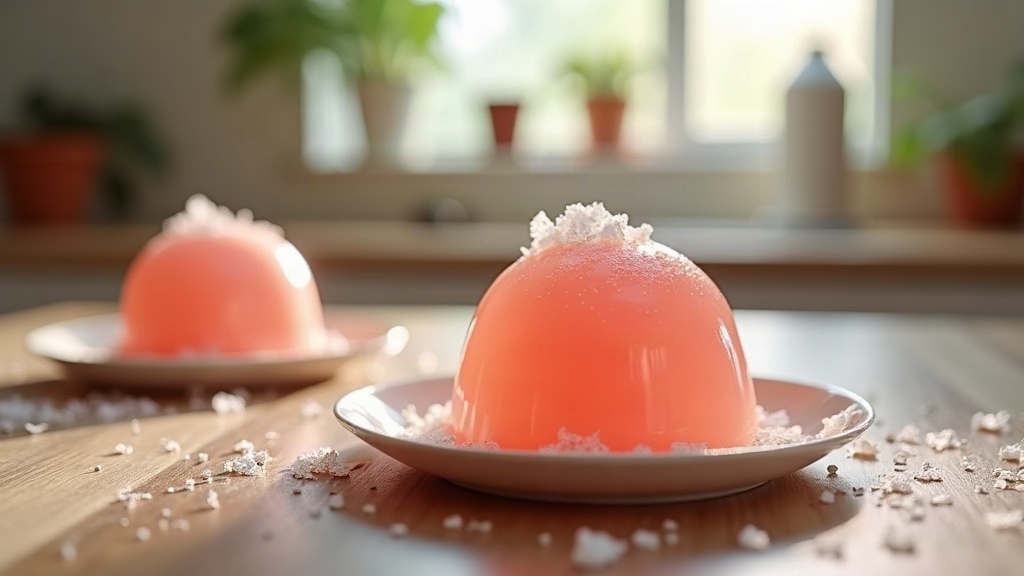
It’s not a secret formula. It’s a simple ingredient — gelatin — that traditional kitchens used for generations. Here’s why women are talking about it again.
Nobody really explains this part. Let’s break it down simply.
Your body naturally makes less collagen as the years pass. Gelatin, a cooked form of collagen, is one reason older kitchens leaned on bone broth and gelatin desserts.
Feeling full isn't only about how much you eat. Protein quality plays a role, and that's part of the conversation around gelatin.
Body composition changes over time, not just the number on a scale. That's why so many women look past crash diets.
Most diet plans focus on cutting calories and skip the basics — protein, hydration, rest. Gelatin isn't magic, but it's part of a much longer food tradition worth knowing about.
Let’s clear up some confusion before going further.
Metabolism just stops working after a certain age.
Metabolism shifts gradually. It’s influenced by muscle mass, sleep, and daily habits — not a switch that flips off.
Any protein source does the same job.
Protein sources vary in amino acid profile. Gelatin, for example, is rich in glycine, an amino acid less common in muscle meats.
You need extreme restriction to see change.
Sustainable habits — hydration, consistent meals, movement — tend to matter more long-term than restriction.
Three ideas. No complicated rules.
Notice how your body responds to meals, sleep, and stress. Small patterns add up over time.
Instead of cutting things out, think about what you could add — like protein-rich ingredients such as gelatin.
Habits build slowly. A daily routine matters more than one perfect day.
Long before supplements existed, grandmothers simmered bones for hours to make broth, then let it cool into natural gelatin. It wasn’t a trend — it was just how food worked. Gelatin desserts, broths, and stocks were kitchen staples across generations and cultures, long before anyone called them wellness habits.
The insight isn’t that gelatin is new. It’s that we forgot why it was there in the first place.
Feeling hungry again shortly after eating is more common than people admit.
Changes in skin texture often get chalked up to 'just aging' without more thought.
Morning stiffness or achy joints are frequently normalized instead of noticed.
Weight can shift even when habits haven't changed much at all.
That 3pm crash isn't always about sleep — it can reflect several everyday factors.
Brittle nails are often dismissed as cosmetic, but they can reflect broader patterns.
Testimonials reflect individual opinions and experiences. Individual results may vary. These statements have not been evaluated by the FDA and are not intended to diagnose, treat, cure, or prevent any disease.
Hydrolyzed gelatin is gelatin that’s been broken down into smaller protein fragments, sometimes called collagen peptides, making it easier to dissolve and mix into foods or drinks.
Gelatin comes from cooked collagen. They’re closely related, but gelatin is the form you get after collagen has been processed with heat.
Yes. This content is educational and applies broadly — there’s no specific age group it’s limited to.
No. This is educational information about an ingredient with a long culinary history, not a replacement for medical or nutritional advice.
Traditionally, gelatin comes from simmering collagen-rich parts of animals, like bones and connective tissue, over long periods of time.
No. Nothing here should be treated as medical advice. Always talk to a healthcare professional about your individual situation.
This isn’t a diet plan. It’s information about a traditional ingredient and general wellness habits, presented for educational purposes.
Watch the short video that explains where gelatin fits into traditional women’s wellness habits — no gimmicks, just information.
Advertising Disclosure: This page contains sponsored content and affiliate links. We may receive compensation if you click a link or make a purchase through the links provided on this page. This helps support our content at no additional cost to you.
Content Disclaimer: The content on this page is for educational and informational purposes only. It is not intended to diagnose, treat, cure, or prevent any disease. These statements have not been evaluated by the Food and Drug Administration. Always consult a qualified healthcare professional before making changes to your diet, exercise, or wellness routine.
Results Disclaimer: Individual results may vary. Testimonials shared on this page reflect personal experiences and opinions and are not a guarantee of similar outcomes for any individual.
© 2026 fakmeissners.com · All Rights Reserved · /contact/